
Blogs
How the Nanofiltration Process Removes Contaminants Fast?
As industries and municipalities face rising challenges in water purification, one technology has emerged as a powerful middle-ground between ultrafiltration and reverse osmosis: the nanofiltration process. Known for its ability to remove contaminants quickly,...
How Reverse Osmosis Water Filter Treat Hard Water Forever?
Hard water is a widespread challenge across households, commercial spaces, and industries. High levels of calcium and magnesium not only cause scaling in pipes and appliances but also affect taste, cleaning efficiency, and overall water quality. While conventional...
How Industrial Reverse Osmosis Systems Excel?
In industries where water quality directly affects performance, efficiency, and output, a reliable purification process is indispensable. From manufacturing and pharmaceuticals to power generation and food processing, companies depend on consistent, high-purity water...
How the Reverse Osmosis Process Transforms Treatment?
Access to clean, safe water is one of the most urgent issues facing industries, institutions, and communities today. Increasing contamination, high salinity, and other dissolved impurities mean traditional water treatment techniques have difficulty keeping up with...
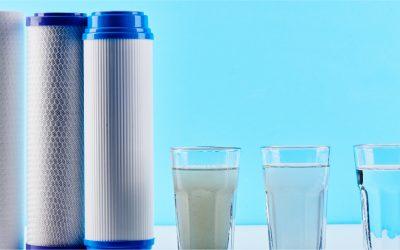
Membrane Types: Choosing the Best for Water Purity
Membrane technology has become one of the most reliable solutions in modern water purification. By acting as selective barriers, membranes separate impurities, suspended solids, microorganisms, and dissolved salts from water, producing safe and high-quality output....

Understanding the Difference Between BOD and COD
In the field of water and wastewater treatment, measuring organic pollution is crucial for ensuring environmental compliance and protecting water bodies. Two of the most commonly used indicators for this purpose are BOD (Biochemical Oxygen Demand) and COD (Chemical...